
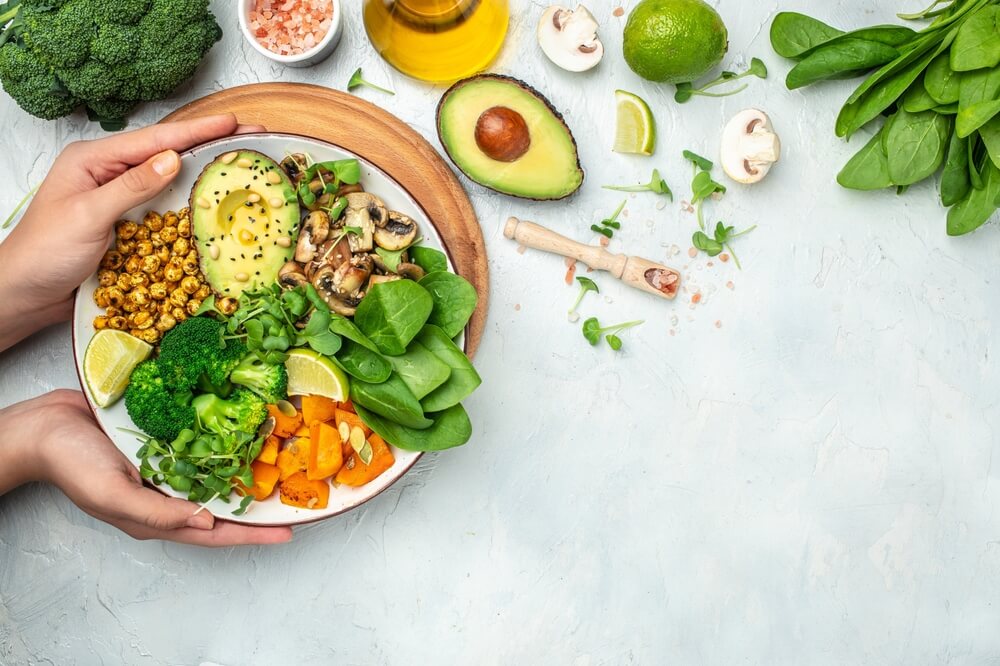
When life gets busy, eating well is usually the first thing to slide. You skip meals. You grab whatever’s closest. You tell yourself you’ll “reset on Monday.” Sound familiar?
The good news is that building a balanced plate doesn’t require meal prep marathons, complicated rules, or perfection. In fact, the most sustainable approach is simple, flexible, and forgiving. The kind that works on a random Wednesday when your schedule is already packed.
Here’s how people are building balanced plates in real life, even when time feels tight.
Start With Simplicity, Not Rules
One of the biggest mistakes people make is overthinking meals. When you’re busy, too many rules just create decision fatigue.
Instead of counting or tracking everything, think in broad categories. A source of protein. Some fiber-rich foods. Something that adds flavor and satisfaction.
This mindset mirrors the same simplicity people look for in other areas of life, whether it’s beauty routines or style choices. Articles like How to Eat Healthy Without Feeling Deprived highlight how balance feels much easier when food doesn’t feel restrictive.
Build Your Plate Around What’s Available
Busy days rarely allow for perfectly planned meals. That’s why flexibility matters more than structure.
If you’re eating out, choose a base you enjoy and build from there. If you’re at home, work with what’s already in the fridge. Balance doesn’t require special ingredients.
This “use what you have” approach is similar to how people are simplifying other routines, like choosing fewer beauty products or streamlining daily habits. It’s about making things work for you, not chasing an ideal scenario.
Focus on Satisfaction, Not Just Nutrition
A balanced plate isn’t just about what looks good on paper. It’s about what actually keeps you satisfied.
When meals feel enjoyable, you’re less likely to snack mindlessly later. Including foods you genuinely like helps meals feel complete instead of rushed or forgettable.
This idea of enjoyment-first choices shows up everywhere now, from lifestyle content to fashion and beauty. It’s the same philosophy behind effortless routines and intentional living.
Make Protein the Anchor
When time is short, protein helps meals feel more grounding. It doesn’t need to be complicated. Eggs. Yogurt. Beans. Leftovers from last night.
Once you anchor your plate with something filling, the rest comes together more naturally. Add vegetables if you have them. Add grains if you want them. Nothing needs to be perfect.
People who struggle with consistency often find that starting with one reliable anchor makes eating feel less chaotic.
Keep Convenience Foods on Hand
There’s no prize for doing everything from scratch. Busy lives require practical solutions.
Frozen vegetables. Pre-cooked grains. Ready-to-eat proteins. These aren’t shortcuts. They’re tools.
Just like people rely on reliable beauty or hair tools to save time, having a few go-to food staples can completely change how you eat during hectic weeks.
Balance Looks Different Every Day
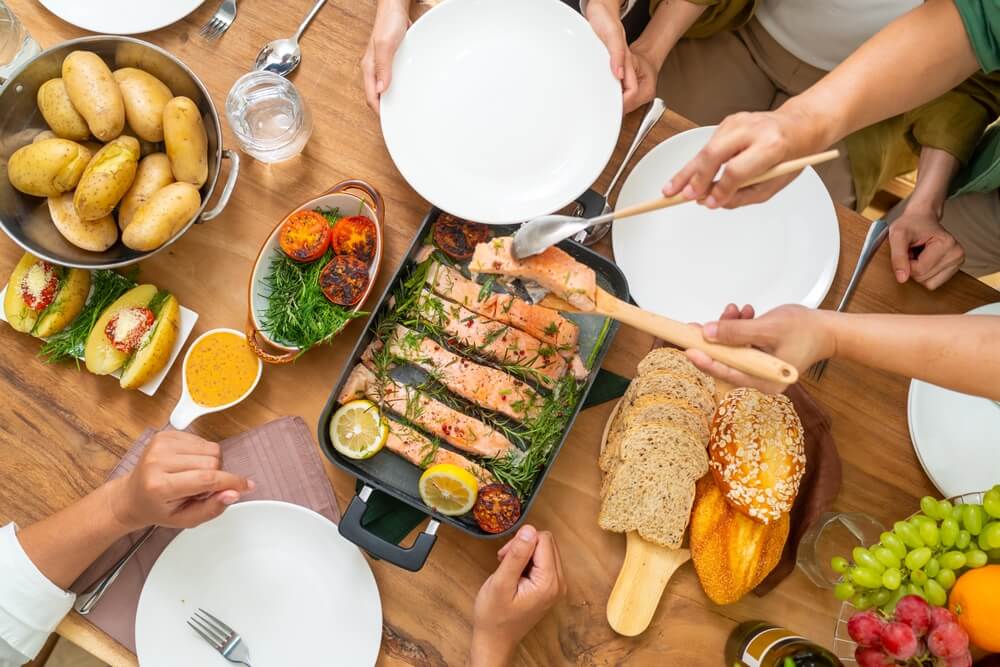
Some days, your balanced plate might be a full sit-down meal. Other days, it might be a simple bowl assembled in five minutes.
Both count.
This flexible mindset is similar to how people now approach routines in general. Balance isn’t rigid. It adjusts with your schedule, energy, and needs.
Articles like The Wellness Routines of Women Over 50 Who Look 30 often highlight this exact idea. Sustainable habits evolve with life instead of fighting it.
Use Familiar Meals as Templates
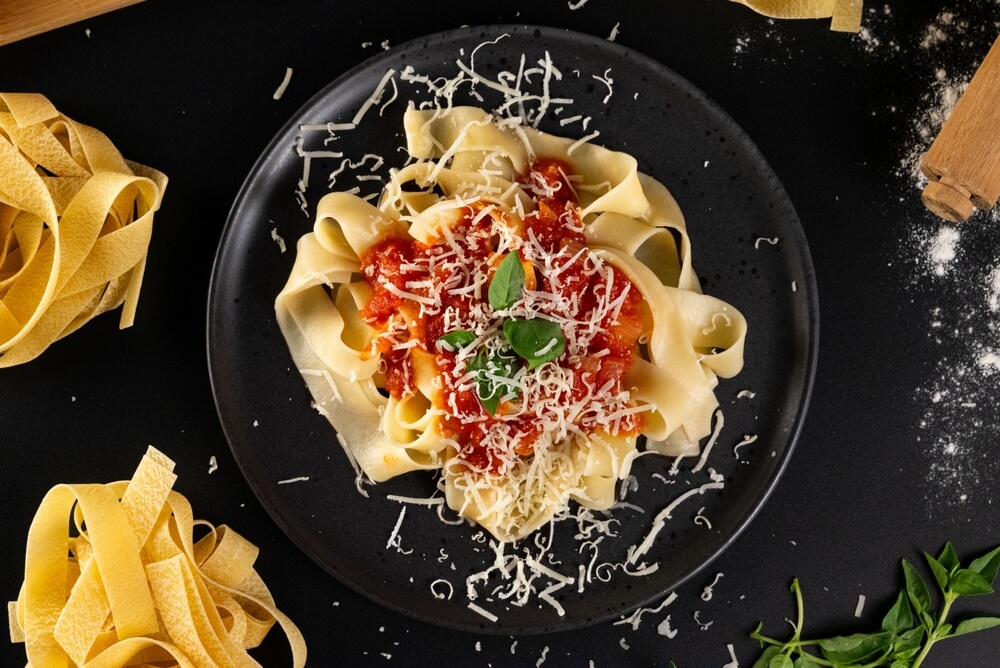
Instead of reinventing the wheel, lean on meals you already enjoy. Tacos. Bowls. Salads. Pastas. These formats are easy to adapt.
Swap ingredients based on what you have. Keep the structure, change the details. This makes meal decisions faster and far less stressful.
The same logic applies to many routines people love because familiarity reduces effort.
Don’t Let “Busy” Turn Into All-or-Nothing
One missed meal or rushed day doesn’t erase your progress. Busy seasons come and go.
What matters most is returning to balance when you can, not giving up entirely. That mindset shift alone makes healthy eating feel more achievable long-term.
When Balance Becomes a Habit
Over time, building a balanced plate becomes intuitive. You stop overthinking. You make quicker choices. You trust yourself more.
That’s when eating well stops feeling like a task and starts feeling like part of your life.
And honestly, that’s the goal.
Final Thoughts
Building a balanced plate when life gets busy isn’t about doing everything “right.” It’s about doing what’s realistic.
Simple choices. Flexible meals. Foods you enjoy. A little intention without pressure.
When eating fits into your life instead of competing with it, balance becomes something you can actually maintain. And that makes all the difference.









Leave A Comment