

You found the perfect beanie. Slouchy, soft, suspiciously flattering. You’ve worn it six days straight. Your forehead has opinions about that. Welcome to hat forehead acne, winter’s most annoying plot twist. The good news: your beanie isn’t cursed, and you don’t need to retire it until April. You just need to know what it’s doing under there (and how to outsmart it).
Why Hat Forehead Acne Happens: Your Beanie is a Tiny Sauna
Dermatologists call this acne mechanica: breakouts triggered by friction, pressure, heat, and trapped sweat. Helmet wearers, headband loyalists, and chinstrap enthusiasts know the drill.
Here’s the recipe. Press a snug band against your skin all day. Add warmth. Add sweat. And add whatever hair product, oil, and city grime already live on your hairline. Seal it in for six hours. Congratulations, you’ve made a pore-clogging casserole.
Winter adds a plot twist. Indoor heating dries out the air and weakens your skin barrier, which can make inflammation worse. So you step into a toasty office, keep the hat on “for a minute,” and the sauna reopens for business.
Read Your Acne Breakout Map Before You Buy Anything

Where the bumps show up tells you what’s causing them. Check before you drop money on a new serum:
- A stripe along the band line: friction. Your hat is too tight, too scratchy, or both.
- Tiny skin-colored bumps at the hairline: likely hair product. Pomades, oils, edge control, and leave-ins migrate onto skin, and a hat presses them into pores. Dermatologists call this acne cosmetica.
- Red, sweaty-looking bumps across the forehead: trapped heat and moisture.
- Itchy, flushed patches with no real pimples: probably irritation, not acne. Rough wool or dye can cause it, and acne treatments won’t fix it.
This is the step most guides skip. Treat the wrong cause, and you’ll just burn through products.
Fabric Matters (and Cotton Isn’t Always the Hero)
The standard advice is “wear cotton.” Fair, but incomplete.
Cotton breathes, which is lovely for a walk to the coffee shop. But it also holds onto moisture, so once you start sweating, a damp cotton hat keeps that wetness pressed against your skin. Wicking fabrics, the kind used in workout gear, pull sweat away from the surface instead.
Wool is warm but can irritate, and soft merino is the gentler pick. Synthetic blends tend to trap heat.
So match the fabric to your day:
- Errands and commuting: soft cotton or a cotton-lined beanie.
- Cold and active: a wicking headband or ear warmers instead of a full wool hat.
- Deep-freeze days: soft merino with a smooth lining, worn loosely.
Here’s a cheap trick: slip a thin, washable cotton headband between your beanie and your skin. Wash the headband after every wear, and the beanie itself stays cleaner much longer. It’s hat forehead acne insurance that costs about the same as a latte.
Run a Three-Hat Rotation
One beanie worn daily collects oil, sweat, and product in its fibers, then hands everything right back to your skin.
Keep two or three hats in rotation so each one fully dries between wears. Wash sweaty hats after every wear and everyday hats every week or two. Check the care label, use cold water and a fragrance-free detergent, and air-dry flat.
Skip the hot dryer. Shrunken beanies are tight beanies, and tight beanies are the whole problem.
Do the One-Finger Fit Test
Slide a finger under the band. If it barely fits, the hat is too tight.
Then pull the beanie back half an inch so the edge isn’t grinding into your brow, and skip the thick folded cuff right across your forehead. That’s a double layer of heat exactly where you break out.
Three Myths That Keep Your Forehead Stuck
Myth 1: “Scrub harder.” Aggressive exfoliation damages your barrier and makes friction breakouts angrier. Be gentle.
Myth 2: “Skip moisturizer, it’s oily under there.” Dry winter air plus a stripped barrier can trigger more oil and inflammation. Use a light, oil-free moisturizer.
Myth 3: “It’s just a teenage thing.” Adults get acne mechanica constantly. Age has nothing to do with it. Friction and sweat do.
Already Broken Out? Here’s Your 14-Day Reset
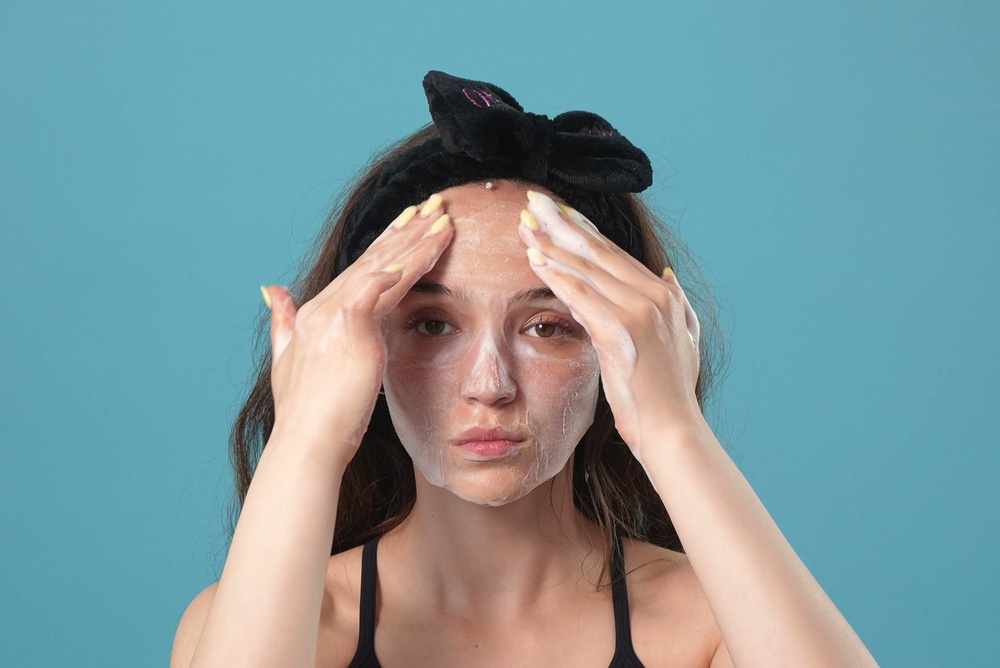
Don’t panic-buy a shelf of products. Try this instead:
- Days 1-3: Stop wearing the offending hat. Wash it, or swap it for a clean one worn loosely.
- Days 4-7: Cleanse gently morning and night. Add one active only (salicylic acid or benzoyl peroxide).
- Days 8-14: Stay consistent. Skin cycles take time, and bumps often need a couple of weeks to calm.
If hat forehead acne is still thriving after two weeks of this, that’s your cue to see a dermatologist rather than add more products.
Your Before, During, and After Plan
Before: Style your hair first, then wipe your forehead and hairline with a damp cloth so product doesn’t hitch a ride under the hat. Pick lightweight, water-based styling products. If you run shiny, choose gentle formulas made for oily skin so nothing piles up under there.
During: Keep cleansing wipes in your bag and swipe sweat from under the hat after long stretches. Take it off the minute you walk indoors. Your forehead needs air more than your outfit needs the beanie.
Also, if your home workout routine includes a beanie, retire that habit. Heat plus sweat plus friction is the worst trio in skincare. Use a lightweight headband instead, and cleanse as soon as you finish.
After: Cleanse gently with a salicylic acid or benzoyl peroxide wash. Don’t scrub, because scrubbing only adds redness. An over-the-counter retinoid like adapalene (Differin) can help keep pores clear. Start with a few nights a week, and use it at night so a hat isn’t rubbing freshly treated skin. Then moisturize, since winter air is already doing its best to dry you out.
That calm-barrier mindset is the same logic behind the skin longevity trend: a healthy barrier beats a stripped one every time.
One more thing. Heavy foundation under a hat is a fast track to makeup that looks patchy by lunch, plus extra pore-clogging pressure. Go light on the forehead, and let the hat’s absence do the concealing.
Don’t Pick, and Know When to Call Backup
Picking can leave dark marks and scars, especially on deeper skin tones. Hands off.
See a dermatologist if bumps are deep or painful, if nothing improves after a couple of weeks of consistent care, or if you aren’t sure it’s acne. Folliculitis, rosacea, and contact dermatitis can look similar, and each needs a different plan.
The Bottom Line on Hat Forehead Acne
Keep the beanie. Fix the system: breathable fabric, a looser fit, a clean rotation, and quick wipe-downs.
None of this takes a new skincare budget. It takes about two extra minutes a day and one honest look at how often you actually wash that hat. Most people have never done either.
Do that, and hat forehead acne goes back to being a minor winter cameo instead of your whole personality. Want more cold-weather skin help? Our skin care archive is full of routines that actually fit real life.



Leave A Comment